
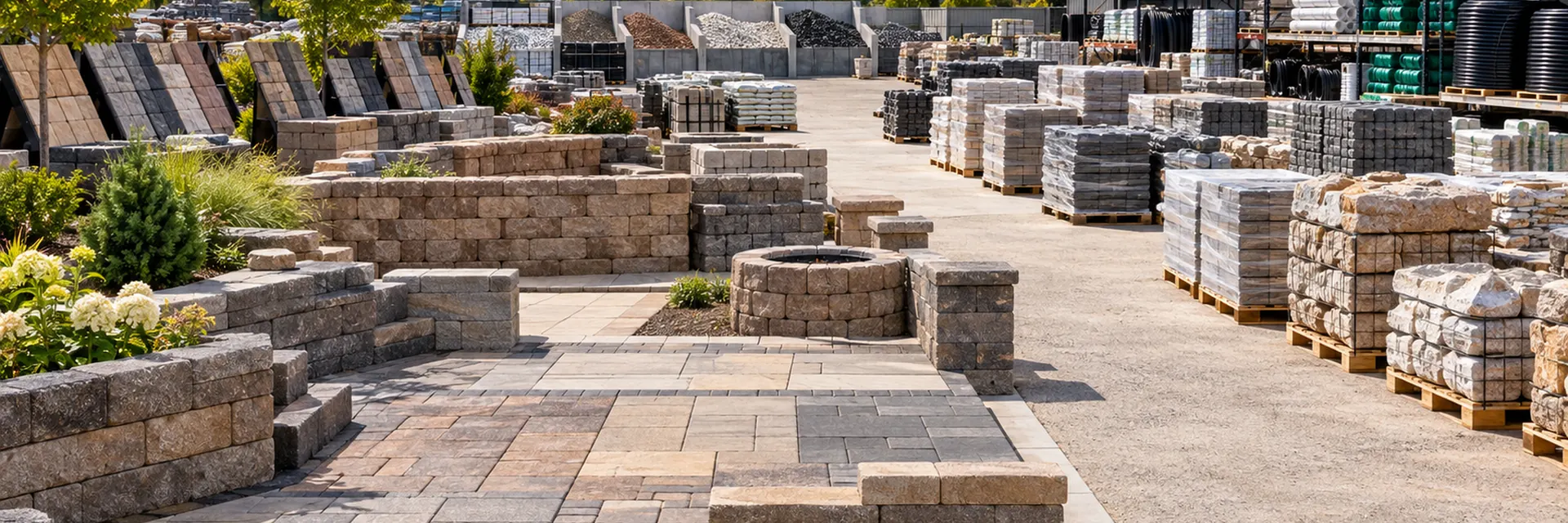


Outdoor Property
Wildfire, theft, weather and irrigation failure affect outdoor inventory differently from warehouse stock.
Material Handling
Loaders and forklifts interact with customers and delivery vehicles.
Showing 1 of 5
Delivery
Dump trucks, flatbeds and boom delivery increase auto severity.
Product Allegations
Retaining-wall and irrigation products can be named in performance disputes.
Middle-market account profile
A middle-market landscape/hardscape yard should split live plant inventory from stone, pavers, soil, irrigation, retaining-wall systems and masonry products. Outdoor storage, loader/forklift traffic, wildfire, water supply and dump/flatbed delivery should be documented separately.
Coverage priorities for this niche
The property program may need different treatment for living stock versus durable building material. GL/products, yard liability, equipment coverage, delivery auto, cargo, WC and excess should follow the actual operation. Business interruption should consider seasonal inventory and alternate suppliers. Suppliers that also sell pool equipment, chemicals and spa products can see insurance for pool and spa suppliers. Outdoor yard inventory, forklifts and delivery trucks are covered in more depth in our article on building supplier fleet, cargo and yard risk.
Underwriting questions before marketing the account
Questions worth reviewing before marketing or binding this account:
Coverage gaps worth checking
Living plants, stone, pavers, irrigation products and bulk soil do not behave the same way in a property loss. The program should distinguish perishable/living stock, outdoor durable inventory and mobile yard equipment. Delivery auto should also reflect dump operations, forklift loading and crane/boom work where applicable.
What a strong submission looks like
Show inventory by category, peak seasonal plant values, wildfire controls, irrigation/water dependency, loaders/forklifts, delivery fleet, top contractor customers and any engineered retaining-wall systems. For nurseries, clarify how quickly living stock could be replaced after a catastrophe.
Seasonal and catastrophe considerations
Inventory can change dramatically by season, especially where live plant stock is material. Property values should reflect peak season rather than an average month. California wildfire, wind and water restrictions can also affect both stock and business income. For hardscape yards, heavy product, customer pickup and loader operations make premises safety important. The broker should understand whether staff only loads materials or also recommends engineered retaining or drainage systems.
Frequently asked questions
8 questions — start typing to filter
Is outdoor stock covered the same as indoor inventory?
Not always — outdoor hardscape and landscape material needs to be specifically addressed for weather and theft exposure, since not every commercial property form treats yard stock the same as indoor inventory.
Are plants insured like building materials?
Living inventory can require different treatment.
Does delivery create cargo exposure?
Yes — pavers, block and landscape material in transit need their own cargo or inland marine limit reflecting real per-load values.
Are retaining-wall products a liability exposure?
They can be — a retaining wall's structural failure can be blamed on the supplied block, paver or engineered system, creating a products liability claim independent of the installing contractor's own work.
Do loaders need equipment coverage?
Yes — yard loaders and material handlers are mobile equipment that typically need inland marine or equipment coverage distinct from the building and inventory property form.
How much does wildfire exposure affect a landscape supplier’s property insurance?
A great deal across much of California, and more than operators expect for a yard rather than a structure. Bulk mulch, bark and timber stock are combustible and usually held outdoors in volume, which is a different property conversation from an enclosed building. Location drives it: a yard inside or near a high fire hazard severity zone may see reduced capacity, higher deductibles, or a requirement for defensible space and separation between stockpiles before a carrier will quote.
Show 2 more questions
Should irrigation-related products be reviewed separately?
Yes — a failed irrigation component that causes water damage or erosion is a distinct products liability scenario from a hardscape material failure and should be described separately in the submission.
Does storing fertilizer and herbicide change what a property carrier wants to see?
It commonly does. Bulk fertilizer, herbicide and soil amendments bring both a fire and a pollution dimension that plain nursery stock does not, and some products carry storage and separation requirements of their own. Property underwriters frequently ask where the chemicals sit relative to the rest of the yard, what containment exists, and whether the quantities trigger a hazardous materials business plan with the local certified unified program agency. On the liability side, a release that reaches soil or storm drains is generally outside a standard general liability pollution exclusion, which is where a separate pollution grant is usually discussed. Requirements vary by product, quantity and jurisdiction.
California · General information only, not legal advice. Requirements vary by city, county, state, agency, project, contract, carrier and policy, among other factors; verifying what applies to your own situation is your responsibility. Full disclaimer
Reviewed by David Gleason, Principal — November 2, 2026