Gleason Insurance Brokers

General Liability · Workers' Comp · Commercial Auto · Pollution Insurance · Surety Bonds Start a Business Insurance Quote Today

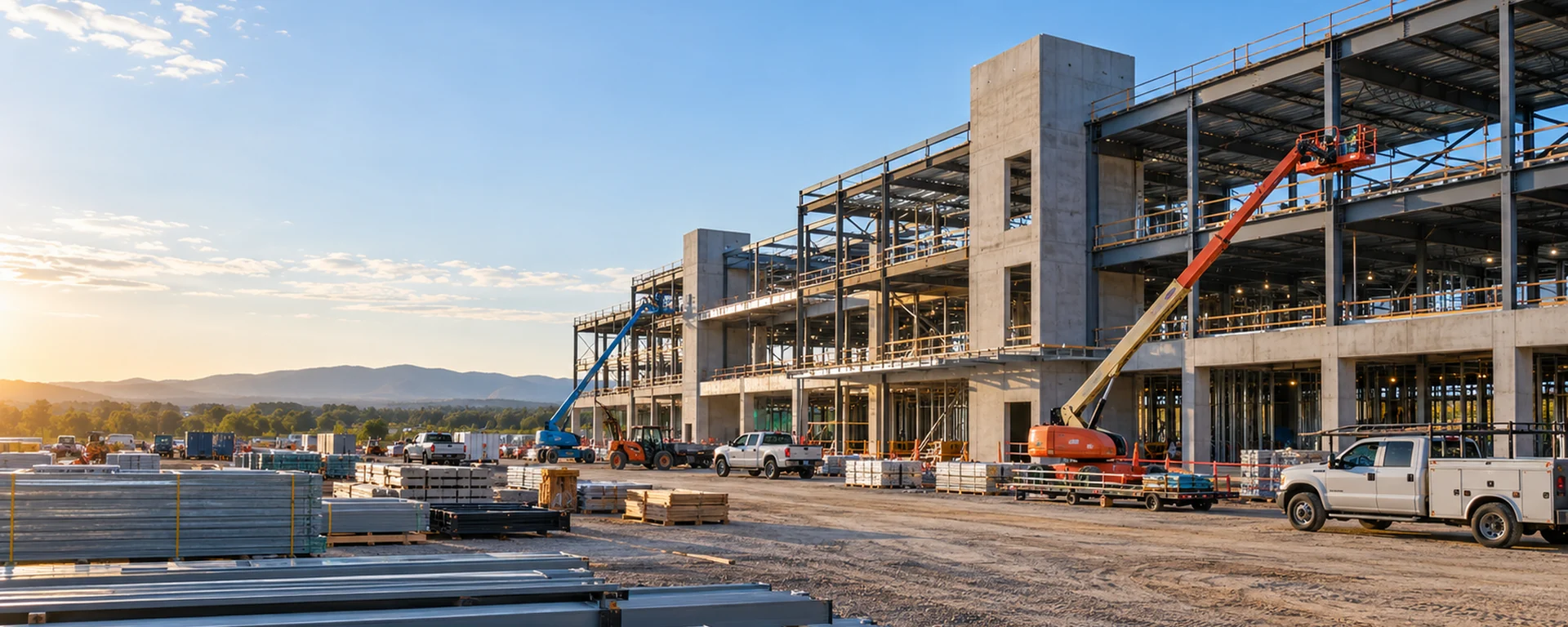
A commercial building under construction at sunrise, its steel frame and concrete cores up, two boom lifts working and framing stacked below — captive insurance programs for contractors

California commercial insurance

Captive Insurance Programs for Contractors California

844-97-USAVE

A captive insurance program lets a group of well-run contractors insure part of their own general liability, workers' compensation and commercial auto risk, and share in the results when losses come in lower than expected. It isn't available to everyone: captives are typically built for companies with a strong safety culture, at least 5 years in business and at least $100,000 a year in combined premium across those three lines.

  • 5+ Years in Business
  • Strong Safety Culture
  • GL, Workers Comp & Auto

Next Level Experience. Insurance Done Right.

CaliforniaGeneral information only, not legal advice — illustrative scenarios and coverage, subject to change without notice. Content may be out of date or contain errors, and requirements vary by city, county, state, agency, project, contract, carrier and policy, among other factors; verifying what applies to your own situation is your responsibility. Full disclaimer

Interactive coverage guide

Build a coverage stack around how the business actually operates.

Start with the preselected industry or trade, then adjust the operational questions. The commonly considered stack updates live. Keep the coverages you want GIB to evaluate, remove ones you do not want included in your quote request, and add other available lines before continuing.

Common Starting Coverages

General LiabilityThird-party injury and property damage

What it is

General Liability commonly addresses covered third-party bodily injury, property damage and certain personal or advertising injury claims, subject to the policy.

Why businesses like yours commonly carry it

Businesses commonly use it as a starting liability policy and to satisfy customer, landlord or contract requirements.

Possible coverage gap

General Liability is not intended to replace policies for employee injuries, business vehicles, owned property, cyber events or professional errors.

Learn more about General Liability

Commonly Added Based on Operations

Contractor Equipment / Inland MarineMobile tools, equipment and property away from premises

What it is

Inland Marine is commonly used for tools, equipment and certain mobile property that moves between locations or jobsites.

Why businesses like yours commonly carry it

Contractors frequently move tools, testing equipment and mobile machinery among jobsites.

Possible coverage gap

General Liability should not be assumed to insure the business's own tools and equipment against theft or physical damage.

Learn more about Contractor Equipment / Inland Marine
Cyber Liability & Data BreachCyber events, data and system interruption

What it is

Cyber insurance may address certain first-party and third-party losses from covered data breaches, cyberattacks, ransomware and system interruption, depending on the policy.

Why businesses like yours commonly carry it

Contractors commonly use email, electronic banking, project platforms, payroll systems and cloud document storage.

Possible coverage gap

General Liability generally should not be assumed to address data breach response, ransomware or network interruption.

Learn more about cyber insurance for contractors

Exposure-Dependent Coverages

Installation FloaterMaterials awaiting or undergoing installation

What it is

An Installation Floater may cover certain materials and equipment in transit, temporary storage and during installation, subject to the policy.

Why businesses like yours commonly carry it

Businesses responsible for materials before final installation commonly consider this coverage.

Possible coverage gap

A basic liability policy generally should not be assumed to cover the insured's materials against physical loss before installation is complete.

Learn more about Installation Floater
Builder's RiskProject property during construction

What it is

Builder's Risk may insure covered buildings, materials and certain project property while construction is underway.

Why businesses like yours commonly carry it

Owners, developers and contractors commonly consider it when a structure or major renovation is exposed during construction.

Possible coverage gap

Commercial Property and General Liability are not automatic substitutes for course-of-construction property coverage.

Learn more about Builder's Risk
Contractors Pollution LiabilityPollution conditions and cleanup liability

What it is

Pollution Liability may address covered cleanup costs and third-party injury or property damage arising from pollution conditions.

Why businesses like yours commonly carry it

Businesses working with fuels, chemicals, soil, water, demolition or environmental conditions may have pollution exposures.

Possible coverage gap

Standard General Liability commonly contains pollution exclusions or limitations.

Learn more about Contractors Pollution Liability
Umbrella / Excess LiabilityAdditional limits above scheduled liability policies

What it is

Umbrella or Excess Liability may provide additional limits above identified underlying liability policies, subject to its own terms and exclusions.

Why businesses like yours commonly carry it

Businesses with larger contracts, vehicles, public exposure or higher severity potential commonly consider additional limits.

Possible coverage gap

An umbrella does not automatically broaden every exclusion or sit over every policy unless the issued terms say it does.

Learn more about Umbrella / Excess Liability

Loading quote and requirements options…

Educational guidance only. Results are not a coverage recommendation, quote, binder, policy interpretation, or guarantee of coverage. Actual needs, availability, forms, limits, exclusions and requirements vary. A licensed insurance professional should review the complete risk and issued policy terms.

Verified Google reviews

What contractors say about us

5.0 / 5from 7 Google reviews

Reviews reflect individual client experiences and are not a guarantee of coverage, pricing or results.

91 Enterprise LLC

91 Enterprise LLC

March 24, 2026

We are using Gleason insurance for our commercial auto policy and GL policy. David is the best insurance broker I've worked with — very honest, responsive, and knowledgeable. Highly recommend.

Fito Plumbers

Fito Plumbers

February 20, 2026

We have been working with David at Gleason Insurance Brokers for 8+ years. David always goes above and beyond to make sure we have the appropriate coverages. He explains everything in detail and makes sure we feel confident and understand all of our policies. He is always available and responds right away!

Barry Stay

Barry Stay

February 17, 2026

David provides great service and I highly recommend him for your insurance needs.

Captive programs at a glance

Captive programs are not available to everyone. These are the thresholds and the records a captive typically looks at, each linked to the page that explains it.

What a captive insurance program is

A captive is an insurance company owned by the businesses it insures.

Read more

Instead of paying premium to a traditional carrier and never seeing it again, members of a captive fund their own losses up to a set level, buy reinsurance above that level, and share in the underwriting results. For most mid-size businesses the practical version is a group captive: a number of similar, well-run companies pooling their risk in one captive they own together.

The policies themselves are commonly issued by a licensed insurance carrier, often called a fronting carrier, so the certificates, endorsements and filings a contract or a state requires still come from an admitted insurer. The captive then reinsures part of that risk. To a general contractor, a lender or a project owner, the certificate of insurance looks much like any other. Not a contractor? Manufacturers, fleets and distributors should see captive insurance programs for businesses.

Owned by its members rather than outside shareholders
Members fund their own losses up to a set level, with reinsurance above it
Underwriting profit and investment income can return to members over time
Policies are commonly issued through a licensed fronting carrier

Captive programs are not available to everyone

A captive rewards businesses that control their losses, and it asks members to carry some of the risk of a bad year.

Read more

That is why captive programs screen carefully and are not open to every business. The thresholds listed below are what underwriters and captive managers typically look for before they will consider an application.

These are typical starting points, not a guarantee of acceptance. Each captive sets its own underwriting standards, and a company that meets all three can still be declined because of its class of work, a recent large loss or a mismatch with the group. If you are close on one of them, request your quote and we can show what would need to change and how long it might take.

A strong, established safety culture: a written safety program, regular training and a claims history that shows it working
At least 5 years in business
At least $100,000 a year in combined premium across general liability, workers' compensation and commercial auto
A willingness to commit for several years and take part in the group's loss control and meetings

How a group captive typically works

Each member pays a premium based on its own exposures and loss history, much as it would in the traditional market.

Read more

That premium is commonly split into parts: a loss fund for the member's own smaller claims, a shared layer that pools mid-size claims across the group, reinsurance for large claims, and the fronting, claims-handling and management costs.

At the end of each policy year, after claims have had time to develop, the captive looks at how each member's loss fund performed. Funds that were not needed for claims, along with investment income, may be returned to members as a distribution over several years. In a year where losses run high, members can be asked for more, which is why the up-front collateral and the commitment period matter.

Premium is set by your own exposures and loss history
A loss fund covers your own smaller claims first
A shared layer pools mid-size claims across the members
Reinsurance responds to large claims above the shared layer
Unused loss funds and investment income may come back to members over time
Members can be assessed in a year where losses run high

Captive or traditional insurance: what changes

Traditional guaranteed-cost insurance gives a fixed premium for the year, and the carrier keeps any profit when losses are low.

Read more

A captive trades some of that predictability for control: your premium, your safety results and part of the outcome stay tied to your own business, rather than to a carrier's whole book.

Neither is right for every company. A business with a steady loss record and the cash flow to post collateral may benefit from a captive over time, while a younger or faster-changing business usually does better in the traditional market until its record and premium grow.

Traditional: fixed premium, and the carrier keeps any underwriting profit
Captive: premium tied to your own losses, with a share of the results
Traditional: pricing moves with the whole market, including other buyers' losses
Captive: pricing leans on your own loss history and the group's
Traditional: no collateral or multi-year commitment in most cases
Captive: collateral, a capital contribution and a multi-year commitment are common

The coverage lines a captive program typically includes

Most group captives for contractors and mid-size businesses are built around the three casualty lines that carry the most frequent claims: general liability, workers' compensation and commercial auto.

Read more

Those are also the lines where a strong safety program shows up most clearly in the loss record, which is what a captive is designed to reward.

Other coverage often stays in the traditional market and is placed alongside the captive, including property, builders risk, umbrella and excess liability, surety bonds and professional or management liability. A broker coordinates the two, so the limits, additional insured wording and certificates line up across both.

General liability, including the additional insured wording contracts ask for
Workers' compensation and employer's liability
Commercial auto for owned, hired and non-owned vehicles
Umbrella, property, bonds and professional lines commonly placed alongside

What a strong safety culture looks like to a captive underwriter

"Safety culture" is the requirement businesses most often underestimate.

Read more

A captive underwriter typically wants to see a safety program that runs every week, not a binder on a shelf. The evidence usually comes from documents and from the loss record itself: a written program, training records, a return-to-work process, prompt claim reporting and driver standards for the fleet.

Your experience modification rate and five years of loss runs are typically the first two things reviewed. The Safety & OSHA Compliance Center and the underwriting readiness check are good places to see where your documentation stands before an application goes out.

A written safety program with regular toolbox talks and training records
A return-to-work program that brings injured employees back on modified duty
Prompt claim reporting and an internal review of each incident
Motor vehicle record checks, driver training and telematics for the fleet
An experience modification rate at or below 1.0 is a common expectation
Five years of loss runs that show the program working

Costs, collateral and commitment

Joining a captive usually involves money up front that a traditional policy does not.

Read more

Members commonly make a one-time capital contribution and post collateral, often a letter of credit, to secure their share of the group's risk. The amounts depend on the captive, the member's premium and the lines included.

Captives are also built for the long term. Membership is typically expected to last several years, and leaving early can mean waiting for open claims to close before collateral and distributions are released. A captive program works best for a business that plans to stay in it and keep its safety results steady. Every figure in a captive proposal is subject to the captive's underwriting, the fronting carrier's terms and the policy language.

A one-time capital contribution is common
Collateral, often a letter of credit, secures your share of the risk
Membership is typically a multi-year commitment
Exit terms and the release of collateral vary by captive

Is your business a candidate? A realistic example

Consider a fictional example: a commercial concrete contractor in Sacramento, in business for 14 years, paying about $240,000 a year across general liability, workers' compensation and commercial auto.

Read more

It holds weekly safety meetings, has an experience modification rate of 0.82 and five years of loss runs with no large claims. That profile fits what a construction group captive typically looks for, and a broker would compare the captive's projected cost over five years against renewal in the traditional market.

A three-year-old remodeling company paying $45,000 a year would not meet those thresholds yet. The better path for that business is usually to tighten its safety program, keep its loss record clean and revisit a captive as it grows. If you think your business may qualify, send your current declarations, five years of loss runs and a short summary of your safety program, and we will tell you plainly whether a captive is worth exploring. Call 844-97-USAVE or request your business insurance quote.

Strong fit: established, safety-focused, $100,000+ in combined casualty premium
Not yet: under 5 years in business or under the premium threshold
What to send: declarations, five years of loss runs and your safety program summary
What you get back: a plain answer on whether a captive is worth exploring
How to Find Out Whether Your Business Qualifies for a Captive Insurance Program

The steps a broker typically follows to tell an established business whether a group captive is worth exploring.

  1. Check the three thresholds

    Confirm at least 5 years in business, at least $100,000 a year in combined general liability, workers' compensation and commercial auto premium, and a safety program that runs every week.

  2. Gather your loss history and safety records

    Pull five years of loss runs from your carriers, your current experience modification rate worksheet, your written safety program and your driver standards.

  3. Check the fit with a broker

    A broker compares your class of work, loss record and premium against the captives that write businesses like yours, and tells you plainly whether an application is worth making.

  4. Compare the captive proposal with your traditional renewal

    Look at the projected cost over several years, the collateral and capital contribution, the possible distributions and the exit terms, side by side with a traditional renewal.

  5. Decide, then keep the safety results steady

    If the numbers work and you join, your safety results drive both your future premium and your share of the captive's results, so the program that qualified you has to keep running.

Frequently asked questions

8 questions — start typing to filter

What is a captive insurance program?

A captive insurance program is an insurance company owned by the businesses it insures. In a group captive, a number of similar, well-run companies pool part of their general liability, workers' compensation and commercial auto risk, buy reinsurance above it and share in the results when losses come in lower than expected.

Who qualifies for a captive insurance program?

Captive programs are not available to everyone. They are typically built for businesses with a strong, established safety culture, at least 5 years in business and at least $100,000 a year in combined general liability, workers' compensation and commercial auto premium. Each captive sets its own underwriting standards, so meeting all three is a starting point, not a guarantee of acceptance.

Is a captive cheaper than traditional insurance?

Not necessarily in the first year. A captive can cost about the same or more up front once collateral and a capital contribution are counted. The potential savings come over several years, when unused loss funds and investment income may be returned to members. A business with a steady loss record is the one most likely to benefit.

What lines of coverage does a group captive usually cover?

Most group captives for contractors and mid-size businesses cover general liability, workers' compensation and commercial auto. Property, builders risk, umbrella, surety bonds and professional lines are commonly placed in the traditional market alongside the captive.

Will a general contractor accept a certificate from a captive program?

In most cases, yes. Group captive policies are commonly issued by a licensed fronting carrier, so the certificate shows an admitted insurer and the additional insured and waiver of subrogation wording a contract asks for. It is still worth confirming any carrier rating requirement in the contract before you join.

What happens if our losses are high in a captive year?

Your own loss fund pays your smaller claims first, the shared layer and reinsurance respond above it, and you may receive a smaller distribution or none for that year. In some captives members can also be assessed when the group's losses run high, which is why collateral and the commitment period matter.

How long do we have to stay in a captive?

Captives are built for the long term, and membership is typically expected to last several years. Leaving early is usually possible, but collateral and distributions may not be released until the claims from your years in the captive have closed. Exit terms vary by captive, so read them before you join.

How do we find out whether our business is a fit?

Send your current declarations pages, five years of loss runs and a short summary of your safety program. A broker can compare them with the captives that write businesses like yours and tell you plainly whether a captive is worth exploring. Call 844-97-USAVE or 844-978-7283.

Reviewed by David Gleason, Principal — October 25, 2026

Official resources

Verify current licensing, regulatory and program requirements directly with the responsible agency — this is general information, not legal advice, requirements change without notice, and what is summarized here may be out of date or contain errors. Confirming what applies to your own city, project, contract and policy is your responsibility.

Updated October 25, 2026