


Dual coverage problem
A bad recommendation can be an E&O claim; an actual release can be a pollution claim.
Site Assessment
Phase I/II work can affect purchases, financing and redevelopment decisions.
Showing 1 of 4
Remediation
Vapor mitigation, groundwater, soil handling and treatment systems create long-tail exposure.
Field Work
Sampling crews create auto, WC and site liability beyond office consulting.
Middle-market risk profile
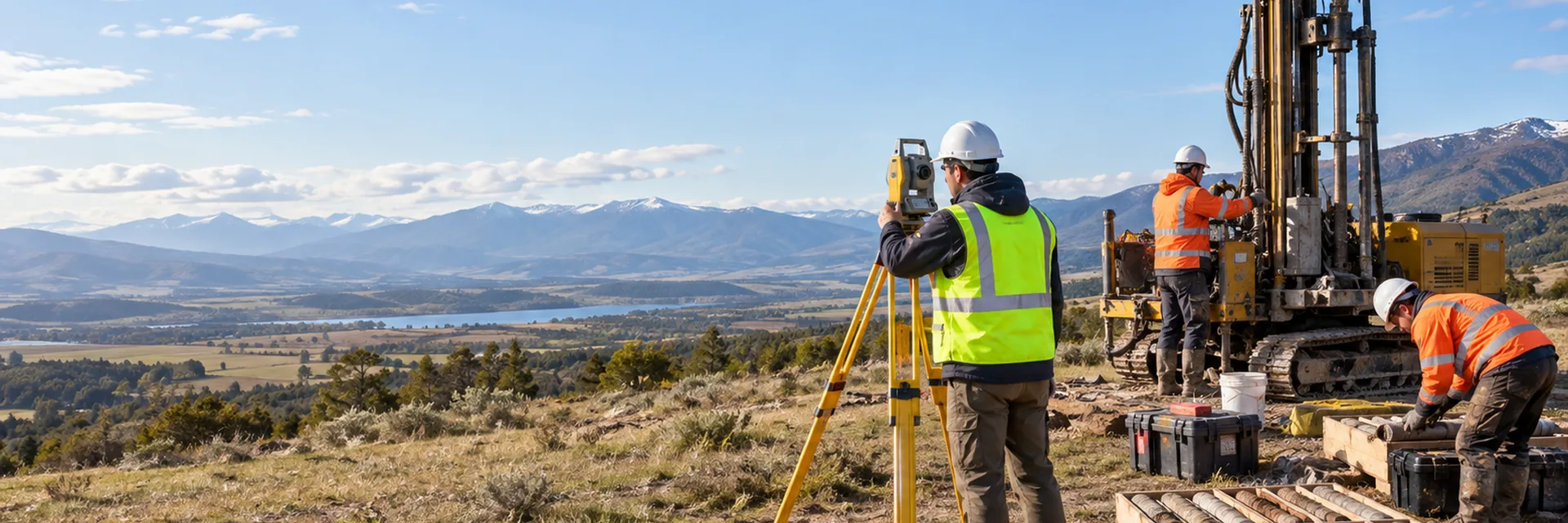
Environmental firms need a two-axis insurance review: what professional advice they give and what pollutants they physically encounter. Site assessment, remediation design, compliance consulting, air/water work and field sampling can each create a different mix of E&O and pollution exposure. Firms whose practice centers on stormwater, flood control and drainage design can see insurance for water resources engineers.
Contract and scope review
Agreements should address reliance on samples, laboratory data, historical records, regulatory outcomes, third-party information and the limit of the consultant's responsibility for unknown contamination.
What underwriters should receive
Provide revenue by Phase I/II, remediation, compliance, air, water, industrial hygiene or other services; field payroll; subcontracted labs/drillers; known-contamination work; largest project; claims; and professional/pollution limits.
Three claim scenarios to model
Scenarios worth modeling before marketing or binding this account:
Program structure beyond E&O
Professional liability and pollution liability should be coordinated rather than treated as substitutes. Auto, workers compensation, GL and inland marine for field equipment can also be meaningful.
Large-firm underwriting questions
For a larger environmental practice, these answers help separate advisory E&O from pollution exposure and show whether field work, known contamination and remediation justify broader specialty coverage.
Renewal issues that matter
Environmental firms can change risk quickly when they move from advisory work into known-contamination remediation, industrial hygiene, emergency response or field implementation. The broker should compare professional and pollution retroactive dates, review whether subcontracted drillers and labs are insured, and confirm that new services are described on the policy. Larger firms should also evaluate cyber because environmental data, regulatory reports and client credentials can be sensitive, while field fleets and sampling equipment create conventional auto and inland-marine exposures.
Frequently asked questions
8 questions — start typing to filter
Does E&O replace pollution liability?
No. Professional liability responds to a design or advice error; pollution liability responds to the actual release, cleanup and third-party bodily injury or property damage a pollution condition causes — most environmental firms need both.
Is a Phase I environmental site assessment covered as a professional service?
Generally yes. A Phase I is professional services work and sits under a professional liability or contractors pollution policy rather than under general liability. The point worth acting on is disclosure: where assessment work is not described on the application, a carrier may take the position it was never underwritten. Phase II work, which involves sampling and site disturbance, is rated differently again and should be declared separately.
Does sampling change the risk?
Yes — collecting soil, water or air samples in the field adds a pollution and general liability dimension on top of the firm's core professional exposure for interpreting the results.
Are remediation projects harder to insure?
They can be — active remediation work adds real pollution and contractor-style liability on top of a firm's core environmental engineering professional liability.
Is contractor pollution needed if the firm only consults?
It depends on field operations and subcontracted work.
Why does continuity matter?
Environmental claims can emerge long after the work.
Show 2 more questions
Does historical-use research carry its own risk?
Yes — a Phase I report that misses or mischaracterizes a documented historical use of a property is a common source of professional liability claims, independent of any physical fieldwork.
Is expert witness and litigation support work treated the same as consulting?
Not always, and it is worth asking before the engagement rather than after. Some professional liability forms define professional services broadly enough to include testimony and litigation support; others address it separately, exclude it, or cover it only where the firm is retained by a party rather than appointed by a court. The exposure is also different in character — the dispute already exists, the opposing party is already adverse, and a claim against the expert is frequently brought by the client who retained them. Firms that do this work regularly commonly confirm it is described in the application and reflected in the policy wording, since what is covered is whatever the issued form says.
California · General information only, not legal advice. Requirements vary by city, county, state, agency, project, contract, carrier and policy, among other factors; verifying what applies to your own situation is your responsibility. Full disclaimer
Reviewed by David Gleason, Principal — November 2, 2026