Gleason Insurance BrokersGet aQuote

Start a Business Insurance Quote Today

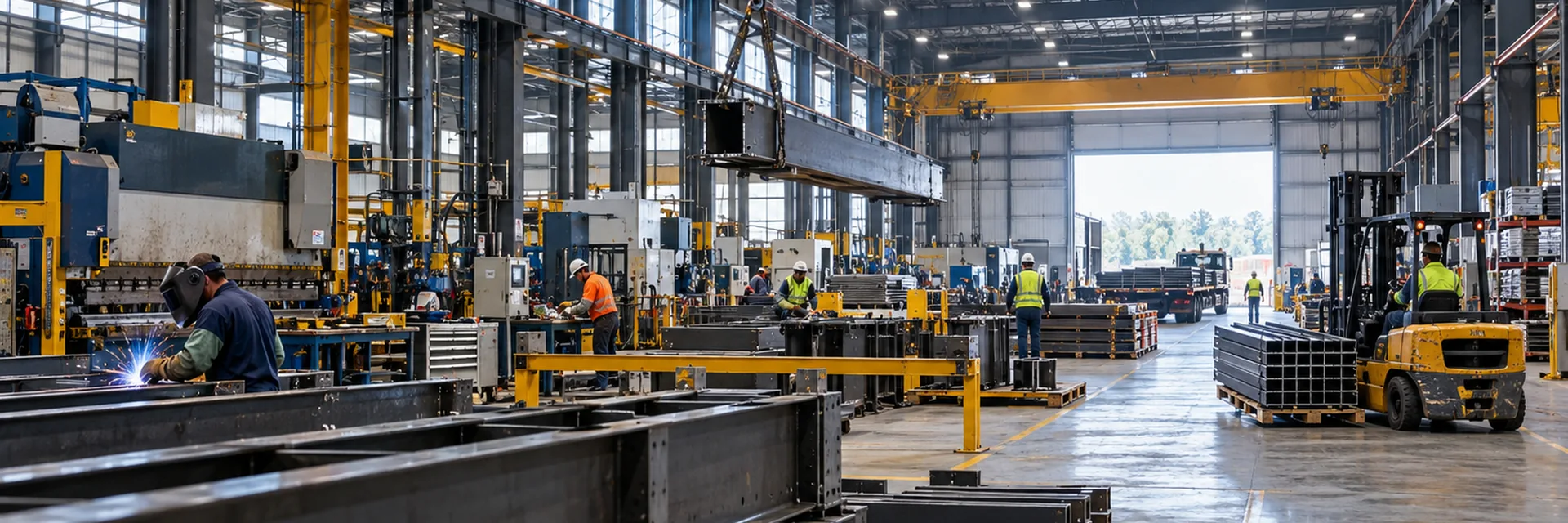
A heavy industrial fabrication floor under overhead bridge cranes, a steel beam on the hook, a welder at work, press brakes down the bay and a forklift moving bundled tube — umbrella and excess

Utah commercial insurance

Utah — Umbrella/Excess Liability Insurance

844-97-USAVE

A single serious claim can exceed a Utah contractor's primary limits faster than expected — umbrella and excess liability extend coverage at a lower relative cost than raising each underlying policy individually. For construction projects large and small, an independent broker licensed across Utah can typically move faster than a single-carrier agent tied to one company's terms.

  • Limits Above GL & Auto
  • Employer's Liability Excess
  • Contract-Required Minimums

Next Level Experience. Insurance Done Right.

Interactive coverage guide

Build a coverage stack around how the business operates.

Here is a suggested stack for businesses like yours. Open any coverage to see what it is, and switch off any you don't want in your quote request.

Do you have employees?

Yes adds Workers' Compensation and Employment Practices Liability

Do you own or regularly use business vehicles?

Yes adds Commercial Auto

Do you perform design, engineering, consulting or other professional services?

Yes adds Professional Liability / E&O
More QuestionsBusiness type: Other Commercial Business. Change it or answer any of these to fine-tune the stack.
Operational exposures
Do you handle customer, employee or payment information?
Do you own a building or significant business property?
Do contracts or customers require higher liability limits?
3 coverages in your quote request

Click any layer to see what it covers and why businesses carry it.Tap any layer to see what it covers and why businesses carry it. Use the switch to add or remove it from your quote request.

Top Layer Extra limits above the liability layers

Showing: Umbrella / Excess Liability

What It Is

Umbrella or Excess Liability may provide additional limits above identified underlying liability policies, subject to its own terms and exclusions.

Why Businesses Like Yours Commonly Carry It

Businesses with larger contracts, vehicles, public exposure or higher severity potential commonly consider additional limits.

Possible Coverage Gap

An umbrella does not automatically broaden every exclusion or sit over every policy unless the issued terms say it does.

Learn more about Umbrella / Excess Liability insurance

Click another layer to see its details.

Business Protection Data, employment, management and money

Showing: Cyber Liability & Data Breach

What It Is

Cyber insurance may address certain first-party and third-party losses from covered data breaches, cyberattacks, ransomware and system interruption, depending on the policy.

Why Businesses Like Yours Commonly Carry It

Modern businesses commonly rely on email, banking, accounting systems, websites, cloud services and electronic records.

Possible Coverage Gap

General Liability generally should not be assumed to address data breach response, ransomware or network interruption.

Learn more about small business cyber insurance in California

Click another layer to see its details.

Foundation What most businesses like yours start with

Showing: General Liability

What It Is

General Liability commonly addresses covered third-party bodily injury, property damage and certain personal or advertising injury claims, subject to the policy.

Why Businesses Like Yours Commonly Carry It

Businesses commonly use it as a starting liability policy and to satisfy customer, landlord or contract requirements.

Possible Coverage Gap

General Liability is not intended to replace policies for employee injuries, business vehicles, owned property, cyber events or professional errors.

Learn more about General Liability insurance

Click another layer to see its details.

Showing: Business Owners Policy / Commercial Package

What It Is

A Business Owners Policy commonly combines liability and property coverages for eligible businesses. A Commercial Package Policy may combine multiple commercial coverage parts depending on the account and carrier.

Why Businesses Like Yours Commonly Carry It

Businesses with premises, contents, inventory or other property exposures may ask GIB to evaluate whether liability and property components can be packaged where appropriate.

Possible Coverage Gap

Eligibility, included coverages and package structure vary by carrier. Commercial Property may also be written separately rather than as part of a package.

Learn more about Business Owners Policy / Commercial Package

Click another layer to see its details.

Showing: Workers' Compensation

What It Is

Workers' Compensation may provide statutory benefits for covered work-related employee injuries and illnesses, together with Employers Liability coverage.

Why Businesses Like Yours Commonly Carry It

Businesses with employees commonly carry it for employee injury exposure and applicable state requirements.

Possible Coverage Gap

General Liability generally does not replace statutory workers compensation benefits for employees.

Learn more about Workers' Compensation insurance

Click another layer to see its details.

Showing: Commercial Auto

What It Is

Commercial Auto may address liability arising from covered business vehicles and, when selected, physical damage and other vehicle-related coverages.

Why Businesses Like Yours Commonly Carry It

Businesses that own or regularly use vehicles may need a policy structured around business use, drivers and vehicle schedules.

Possible Coverage Gap

Personal auto policies may restrict or exclude business use, and General Liability is generally not a substitute for auto liability.

Learn more about Commercial Auto insurance

Click another layer to see its details.

Layers are illustrative; how policies respond depends on their terms.

Property & Business Package OptionsChoose a package structure or request Commercial Property separately.
Management & Professional LiabilitySelect one coverage or evaluate a combined package where available.
Coverage optionsEach option remains independent and can be requested monoline.
What is this?

Professional Liability may address covered claims alleging errors, omissions or failures in professional services.

Why businesses commonly consider it: Businesses providing design, engineering, consulting, specifications or professional advice commonly consider it.

What is this?

EPLI may address certain covered employment-related claims such as discrimination, harassment, retaliation or wrongful termination.

Why businesses commonly consider it: Businesses with employees or managers commonly consider employment-practices protection as the workforce grows.

What is this?

Directors & Officers Liability may address certain covered claims alleging wrongful acts by directors, officers or organizational management, depending on the policy form.

Why businesses commonly consider it: Organizations with directors, officers, investors, lenders or other stakeholders may consider D&O protection as governance and management exposures increase.

What is this?

Commercial Crime may address certain covered theft, fraud and funds-transfer losses, depending on the selected insuring agreements.

Why businesses commonly consider it: Businesses handling money, inventory, payments or account access commonly consider crime coverage.

These coverages may be available individually or as part of a broader management/professional liability program. Commercial Crime remains its own coverage concept even when a carrier offers it alongside management-liability products.

Loading quote and requirements options…

Educational guidance only. Results are not a coverage recommendation, quote, binder, policy interpretation, or guarantee of coverage. Actual needs, availability, forms, limits, exclusions and requirements vary. A licensed insurance professional should review the complete risk and issued policy terms.

Verified Google reviews

What California business owners say about us

5.0 / 5from 7 Google reviews

Reviews reflect individual client experiences and are not a guarantee of coverage, pricing or results.

91 Enterprise LLC

91 Enterprise LLC

March 24, 2026

We are using Gleason insurance for our commercial auto policy and GL policy. David is the best insurance broker I've worked with — very honest, responsive, and knowledgeable. Highly recommend.

Fito Plumbers

Fito Plumbers

February 20, 2026

We have been working with David at Gleason Insurance Brokers for 8+ years. David always goes above and beyond to make sure we have the appropriate coverages. He explains everything in detail and makes sure we feel confident and understand all of our policies. He is always available and responds right away!

Barry Stay

Barry Stay

February 17, 2026

David provides great service and I highly recommend him for your insurance needs.

See our reviews on Google

What umbrella and excess liability do for Utah contractors

Sitting above underlying GL, commercial auto and employer's liability coverage, umbrella and excess policies extend available limits once an underlying policy is exhausted — they add to those policies rather than replace them.

"Umbrella" and "excess" get used as synonyms, but they can differ — a genuine umbrella may include broader drop-down coverage, while a straight excess policy typically just adds limit on the same underlying terms. Fleet exposure is usually the other large underlying policy, written on Utah commercial auto coverage.

Extends limits above GL, auto and employer's liability
Requires underlying policies to already be in place
Umbrella and excess aren't always identical structures
Confirm which structure a specific quote provides
Primary and noncontributory language, explained for excess layers

Why Utah contractors carry it

Larger project size and contract-required combined limits push contractors toward umbrella coverage — a serious bodily injury claim can exceed a standard $1M primary GL limit without much difficulty.

Utah contracts on larger commercial and public projects increasingly specify a minimum combined GL-plus-umbrella limit.

Larger project size increases the chance of exceeding primary limits
Contracts increasingly specify combined GL + umbrella minimums
A single serious claim can exceed standard primary limits
B100 contractors often see larger project exposure

Showing 1 of 7

5 sections below are folded. Tap a heading to open one.

Umbrella pricing versus raising primary limits

Reaching a given total limit through an umbrella is generally more cost-efficient than raising the primary policy's limit directly.

Most umbrella carriers require specific minimum underlying limits before writing the excess layer — Utah's DOPL-required GL minimum may need to be raised first to qualify.

Generally more cost-efficient than raising primary limits alone
Prices against lower-frequency, higher-severity exposure
Underlying limits must meet the umbrella carrier's minimums
The DOPL minimum alone may not meet an umbrella carrier's requirement

Coordinating umbrella with the rest of the Utah program

For the umbrella to work as intended, it has to follow form with the specific underlying policies beneath it — matching named insureds and confirming which lines it extends.

When underlying exposures change, tell the umbrella carrier — a new vehicle or classification added without notice can leave a mismatch between the layers.

Umbrella should follow form with the specific underlying policies
Confirm which underlying lines it extends
Notify the umbrella carrier when underlying exposures change
A mismatch between primary and umbrella assumptions is a real gap

Getting the right umbrella limit for your Utah operations

Current contract requirements, typical project size and fleet exposure all factor into sizing the limit accurately.

Gleason Insurance Brokers coordinates umbrella and excess liability for Utah contractors — call 844-978-7283 or request a quote to get started.

Size the limit to actual contract requirements and project scale
We coordinate umbrella with your full existing program
Available across CA, AZ, NV, TX and UT
Request a quote online, or call 844-978-7283

A realistic scenario: underlying limits that don't match the umbrella

A Utah contractor raises umbrella liability limits to satisfy a larger contract's requirement, without confirming the underlying general liability, auto and employers liability policies underneath were also increased to match.

A concrete version of this: a Wasatch Front contractor's GL policy correctly meets DOPL's $1,000,000/$2,000,000 minimum, but the umbrella program was built assuming auto liability well above Utah's 30/65/25 state minimum — and a fleet vehicle added last year was never confirmed against that assumption. Strong GL coverage doesn't fix a gap sitting underneath the umbrella on the auto side.

Illustrative only — this describes a typical pattern, not an actual case or guaranteed outcome. An umbrella policy generally requires specific underlying limits to attach properly — a gap between the underlying limit and what the umbrella assumes is there can leave a real coverage gap exactly where a large claim would hit it. Confirm underlying limits explicitly whenever umbrella limits change. Before adding an umbrella, it helps to confirm the underlying Utah general liability policy carries the limits and endorsements the umbrella requires.

Umbrella coverage generally requires specific underlying limits to attach
Raising the umbrella alone doesn't fix a gap in underlying limits
Confirm underlying limits explicitly whenever umbrella limits change
This gap surfaces exactly when a large claim needs it most

Utah umbrella considerations

Utah's own registration minimum for commercial auto is $30,000/$65,000/$25,000 under Code §31A-22-304 — far below what most umbrella policies require as an underlying limit (commonly $1,000,000 combined single limit). Utah's DOPL-mandated $1,000,000/$2,000,000 general liability minimum is a stronger starting foundation, but auto and employers liability still need their own independent confirmation.

The Wasatch Fault seismic corridor, winter snow-load roof-collapse exposure, and Utah's fast-growing Silicon Slopes tech-driven commercial development all drive real severity variation that a static umbrella limit set years ago may not reflect — confirm your limit against your actual current project scale, not a figure carried forward from a smaller project era.

State auto minimum is far below typical umbrella underlying-limit requirements
Confirm auto, GL and employers liability limits independently, not just policy existence
Real catastrophe/growth exposure can outpace a static umbrella limit set years ago
Review underlying limits whenever the umbrella limit changes, not just at renewal

Utah umbrella submission checklist

Have the following ready for a Utah umbrella/excess liability submission:

Current GL, auto and employers liability limits — the specific underlying figures, not just policy existence
Confirmation auto liability is well above Utah's 30/65/25 state minimum
Confirmation GL meets DOPL's $1,000,000/$2,000,000 minimum under Rule R156-55a-302d
Actual current project scale, especially for fast-growing Silicon Slopes-adjacent commercial work

Frequently asked questions

10 questions — start typing to filter

Does umbrella coverage replace my Utah general liability policy?

No — it sits above and extends your existing GL, auto and employer's liability policies once their limits are exhausted.

How much umbrella coverage do Utah contractors typically need?

It depends on typical contract requirements and project size — review current insurance specifications rather than a round number.

Is umbrella cheaper than raising my primary GL limit in Utah?

Generally yes, since umbrella prices against lower-frequency, higher-severity exposure.

Does Utah's DOPL minimum GL limit qualify me for umbrella coverage automatically?

Not necessarily — umbrella carriers often require specific minimum underlying limits that may exceed the DOPL licensing minimum. Confirm eligibility directly.

What happens if I add a vehicle without telling my Utah umbrella carrier?

It can create a mismatch between what the primary and the umbrella each assume is in place. The Utah version is often seasonal: units added for a summer push, or swapped after a winter loss along the Wasatch Front, reach the primary policy and not the umbrella schedule. Tell both carriers at once, and revisit the umbrella limit when the fleet changes shape rather than only at renewal.

Do Utah commercial contracts require umbrella coverage?

Increasingly yes — many specify a combined GL-plus-umbrella minimum, especially on larger projects.

Show 4 more questions
Does Gleason Insurance Brokers place umbrella coverage for Utah contractors?

Yes — as part of a full Utah contractor program.

How quickly can an independent umbrella / excess liability insurance agency put together a quote in Utah?

Gleason Insurance Brokers is a Utah-licensed broker, not a single-carrier agent, so umbrella / excess liability insurance in Utah can be shopped across multiple markets rather than one company's terms. Actual turnaround and pricing depend on submission completeness, the scope of your construction projects, and carrier appetite — share your timeline and budget when requesting a quote so we can prioritize accordingly.

Does my Utah umbrella policy automatically cover a gap in underlying limits?

No — an umbrella generally requires specific underlying limits to attach properly. If the underlying general liability, auto or employers liability policy sits below what the umbrella assumes, that gap isn't automatically filled just because the umbrella exists.

Do you want the cheapest umbrella insurance in Utah?

For Utah contractors, a cheaper umbrella may sit over fewer underlying policies, carry its own exclusions, or come from a risk retention group a general contractor may or may not accept. We compare what it covers and how it follows with the premium. Comparing coverage, not just price.

Utah · General information only, not legal advice. Requirements vary by city, county, state, agency, project, contract, carrier and policy, among other factors; verifying what applies to your own situation is your responsibility. Full disclaimer

Reviewed by David Gleason, Principal — November 4, 2026

Official resources

Verify current licensing, regulatory and program requirements directly with the responsible agency — this is general information, not legal advice, requirements change without notice, and what is summarized here may be out of date or contain errors. Confirming what applies to your own city, project, contract and policy is your responsibility.

Updated November 4, 2026