
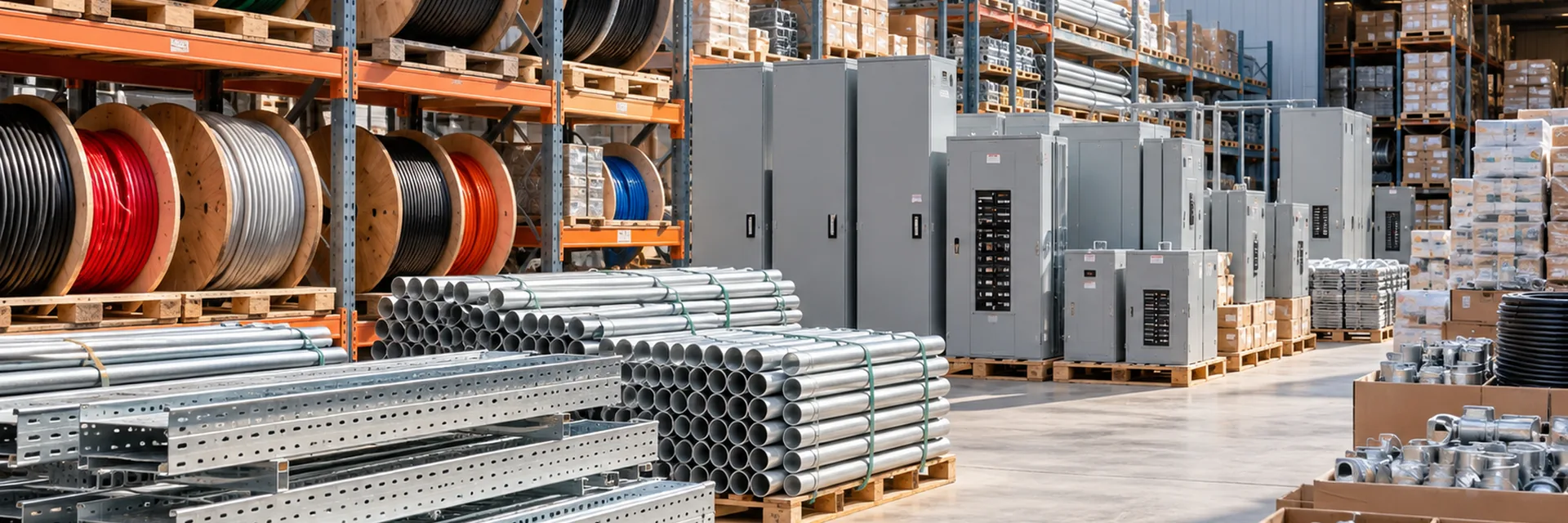


High-Value Stock
Custom gear, copper and controls create concentration and theft exposure.
Specification / Substitution
Cross-referencing or recommending substitutes can create allegation paths beyond simple distribution.
Showing 1 of 5
Long-Lead Equipment
Damage to switchgear or transformers can create major downstream delay.
Delivery
Heavy reels and gear require specialized handling.
Middle-market account profile
For a $5M-$75M electrical distributor, underwriters should see copper and wire values, custom switchgear and transformer inventory, project-specific staging, long-lead equipment, delivery methods, top contractor accounts and how much revenue comes from data centers, hospitals or other mission-critical projects.
Coverage priorities for this niche
Property limits should recognize high-value custom gear and copper theft, while cargo should address equipment in transit and temporary staging. GL/products, auto, WC and excess should be coordinated with any technical recommendation or substitution exposure. Cyber is important because ERP outages can stop purchasing, inventory control and dispatch.
Underwriting questions before marketing the account
Questions worth reviewing before marketing or binding this account:
Coverage gaps worth checking
Custom electrical gear can sit in temporary storage for months before delivery, so the property and cargo program should address offsite staging and project-specific values. The supplier should also distinguish pure distribution from panel assembly, fabrication, testing or technical substitution because those services can change products and professional exposures. For how delivery fleets, cargo in transit and warehouse storage are written for suppliers, see fleet, cargo and property risk for building material suppliers.
What a strong submission looks like
Include a schedule of top manufacturers, copper/wire concentration, custom switchgear and transformer values, largest project order, transit methods, theft controls, delivery fleet, claims and business-interruption dependencies. For mission-critical customers, show how purchase orders, specifications and substitution approvals are documented.
Project staging can move the property exposure offsite
Electrical suppliers frequently hold custom gear for a specific contractor or owner before a project is ready. That can create large values at third-party warehouses, temporary locations or jobsites. The broker should verify territorial and offsite-storage provisions, maximum value at one location and responsibility during common-carrier transit. Large mission-critical orders also make business interruption more complex because replacing custom gear can take months even after a relatively small physical loss.
Frequently asked questions
8 questions — start typing to filter
Does a wrong-product shipment create liability?
It can, though pure replacement/delay costs may be limited.
Are transformers hard to insure?
They can create high values and long lead times.
Is copper theft a property issue?
Yes — copper wire and components are a persistent theft target at distribution yards, and coverage limits and security controls should reflect that real exposure.
Does substitution advice change risk?
Yes. A distributor who recommends an equivalent part or substitute product takes on a professional-advice element beyond simple product distribution.
Is cargo important?
Yes — electrical equipment and gear can be high-value per shipment, so cargo/inland marine limits should reflect real delivery values, not a generic estimate.
Should large distributors buy excess limits?
Often — a single defective-panel or wiring-failure claim tied to a commercial building can generate damages well above a standard underlying GL limit.
Show 2 more questions
Should a distributor track UL/testing-lab compliance?
Yes — documentation that distributed products carry current UL or equivalent listing is often the first thing requested in a products liability claim investigation.
What happens if a counterfeit component reaches a customer through our inventory?
A distributor that sells a part it did not make is generally still in the chain of distribution, so a products liability claim can name it alongside the manufacturer — and where the part is counterfeit, the manufacturer whose mark is on it is usually the one party with no obligation to anyone. The vendor's own indemnity and additional insured status, which is where a distributor normally looks first, is commonly worth very little against a supplier who cannot be found. Underwriters tend to ask about purchasing controls: approved vendor lists, whether product is bought on the gray market, and how a suspect part is quarantined and reported. Coverage turns on the policy as issued and on how the claim is pleaded.
California · General information only, not legal advice. Requirements vary by city, county, state, agency, project, contract, carrier and policy, among other factors; verifying what applies to your own situation is your responsibility. Full disclaimer
Reviewed by David Gleason, Principal — November 2, 2026